
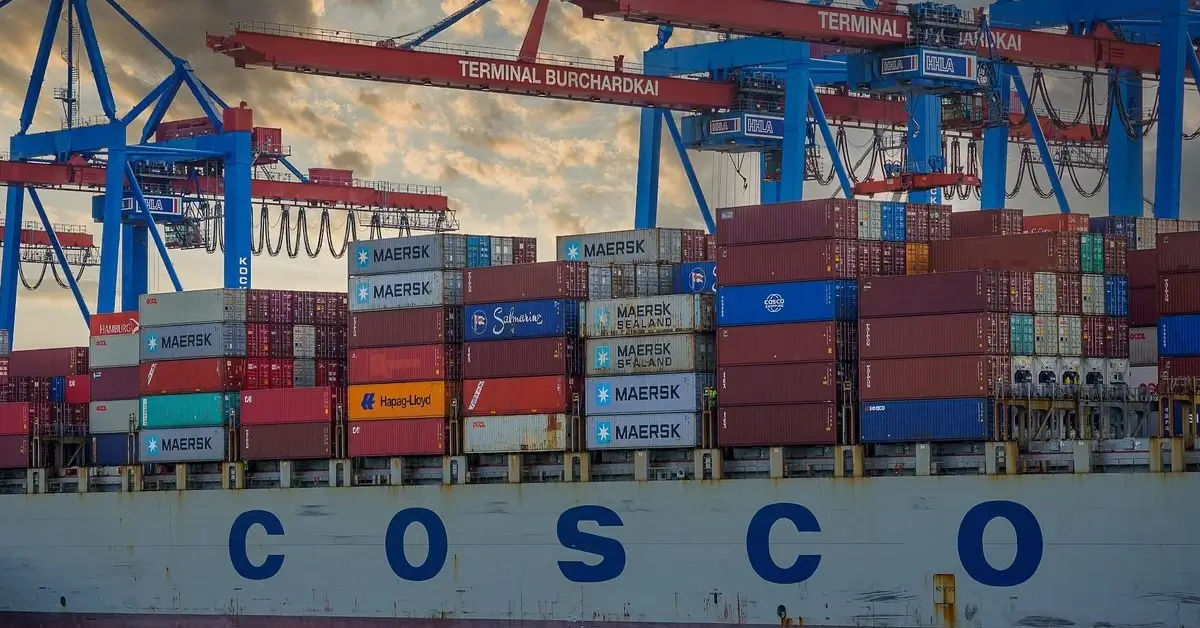
Learning how to import from China changed the way our clients run their businesses. China remains the world’s largest manufacturing economy and for good reason. It produces everything from automotive components and chemical raw materials to steel products and consumer goods. For importers who get the process right, the opportunity is significant.
This guide walks you through every stage of the import process. From identifying the right manufacturers to managing shipping and customs clearance, every step is covered so you can import from China with confidence.
Why Businesses Choose to Import from China?
The scale and diversity of Chinese manufacturing is unmatched anywhere in the world. Businesses that import goods from China consistently access lower production costs, broader product variety, and faster turnaround times compared to local alternatives.
For wholesale distributors and importers, these advantages translate directly into stronger margins and more competitive pricing. The combination of manufacturing capacity, export infrastructure, and product range makes China the preferred supply market for businesses across every industry. That is not likely to change anytime soon.
What You Need to Know Before You Import from China?
Before placing your first order, there are several important things to understand. Importing involves more than finding a manufacturer and paying for goods. It requires knowledge of trade terms, customs regulations, shipping options, and compliance requirements specific to your product category.
Many first-time importers skip this stage and pay for it later. Taking time to understand these fundamentals before you begin will save you significant time, money, and frustration down the line.
Understanding Import Regulations
Every country has its own import regulations and compliance requirements. If you are looking at how to import from China to USA specifically, you will need to understand US Customs and Border Protection requirements, applicable tariffs, and any product-specific certifications required for your goods to enter the market legally.
Do not assume your goods will clear customs without issue. Research the regulations that apply to your product category before committing to any order. Non-compliance at customs can result in shipment delays, fines, or rejected goods.
Identifying Your Product Category
Different product categories carry different compliance requirements, duty rates, and shipping considerations. Auto spare parts, chemical raw materials and steel products each have their own regulatory landscape that importers must navigate carefully.
Knowing your product category in detail before you begin allows you to plan accurately and avoid unexpected costs once your shipment is in transit.
How to Import from China – Step by Step:
The import process follows a clear sequence of steps. Understanding each stage and what is required at each point is the foundation of a successful import operation.
Step 1 — Find and Verify Your Manufacturer
The first step in learning how to import from China is identifying a manufacturer who can consistently produce what you need at the quality and volume your business requires. Use platforms like Alibaba, Made-in-China, and Global Sources as starting points.
Always verify any manufacturer before placing an order. Request their business license, factory certifications and export history. Ask for product samples before committing to a bulk order. A manufacturer who delays sample requests or avoids documentation questions is telling you something important.
Step 2 — Negotiate Terms and Place Your Order
Once you have verified your manufacturer, negotiate the key terms of your order. This includes product specifications, unit pricing, minimum order quantity, lead time and payment terms.
Get everything agreed in writing before making any payment. A clear purchase agreement protects both parties and reduces the risk of disputes later in the process. Never rely on verbal agreements with overseas suppliers.
Step 3 — Choose Your Trade Terms
Trade terms define who is responsible for shipping costs, insurance, and customs clearance at each stage of the journey. The three most commonly used trade terms for importing from China are FOB, CIF, and DDP.
FOB means the manufacturer delivers goods to the port of origin, and you take responsibility from that point. CIF means the manufacturer covers shipping and insurance to the destination port. DDP means the supplier handles everything, including customs clearance and delivery to your warehouse.
Choose the trade term that best matches your experience level and logistics capability. First-time importers often prefer DDP as it places most of the logistical responsibility on the supplier.
Step 4 — Arrange Quality Inspection
Before your goods leave the factory, arrange a quality inspection. This can be done through a third-party inspection company based in China. An inspection confirms that your products meet the agreed specifications before shipment.
Skipping this step is one of the most common and costly mistakes importers make. Once goods are shipped, any quality issues become significantly more expensive and time-consuming to resolve. Do not skip it.
Step 5 — Manage Shipping and Logistics
Once your goods pass inspection, they are ready for shipment. You have two primary shipping options when you import goods from China: sea freight and air freight.
Sea freight is significantly cheaper for large volume orders but takes longer. Air freight is faster but considerably more expensive and is generally only practical for small or urgent shipments. Most importers use sea freight for regular bulk orders and air freight only when speed is critical.
Work with a freight forwarder who has experience handling shipments from China. They will manage the logistics, prepare shipping documentation, and coordinate delivery to your destination.
Step 6 — Clear Customs and Receive Your Shipment
When your shipment arrives at the destination port, it must clear customs before it can be released. This process involves submitting import documentation, paying applicable duties and taxes, and confirming that your goods meet all regulatory requirements.
Work with a licensed customs broker to ensure your documentation is complete and accurate. Incomplete documentation is the most common cause of customs delays. Once clearance is granted, your goods are delivered to your warehouse.
Common Mistakes to Avoid When Importing from China:
Even experienced importers make avoidable mistakes. Being aware of these common errors before you begin will help you navigate the process more effectively.
Skipping Supplier Verification
Committing to a supplier without verifying their credentials is one of the most costly mistakes in the import process. Fake manufacturers, trading companies presenting as factories, and unverified operations are common in the Chinese supplier market. Always verify before you pay.
Ignoring Product Compliance Requirements
Every product category has compliance requirements that must be met for goods to enter your market legally. Importing goods that do not meet these requirements can result in seizure at customs, significant financial penalties, and reputational damage to your business.
Underestimating Total Import Costs
Many first-time importers focus only on the unit price of goods and underestimate the total cost of importing. Shipping, insurance, customs duties, inspection fees, and last-mile delivery all add to the final cost. Always calculate your total landed cost before committing to an order.
How Yuena Simplifies the Import Process:
Understanding how to import from China is one thing. Managing every step of the process efficiently is another. For importers and wholesale distributors who want a reliable and professional partner to handle the complexity, Yuena is built for exactly that.
Yuena is a Guangzhou-based import and export company that connects global importers and wholesale distributors directly with verified Chinese manufacturers across auto spare parts, daily chemical raw materials, and steel and construction materials. We manage the complete export process from the factory to your warehouse, including quality verification, export documentation, customs clearance, and door-to-door delivery.
Working with an established import and export partner like Yuena removes the complexity and risk from the import process so you can focus on growing your business.
Final Thoughts:
Learning how to import from China takes time and experience to master. The process involves multiple stages, each with its own requirements and potential complications. Understanding trade terms, verifying manufacturers, managing shipping, and navigating customs are all skills that develop with practice.
Whether you are importing for the first time or looking to streamline an existing operation, approaching each stage methodically and working with experienced partners will significantly improve your results.
Frequently Asked Questions:
How do I start importing from China?
Start by identifying your product category and researching manufacturers on verified B2B platforms like Alibaba or Made-in-China. Verify your chosen manufacturer, request samples, agree on trade terms, and arrange shipping through a freight forwarder with experience handling China imports.
How long does it take to import goods from China?
Sea freight from China typically takes 20 to 40 days, depending on your destination. Air freight takes 3 to 7 days but is significantly more expensive. Factor in production lead time and customs clearance when planning your import timeline.
What trade terms should I use when importing from China?
FOB, CIF, and DDP are the most commonly used trade terms for China imports. First-time importers often prefer DDP as the supplier handles most of the logistics. More experienced importers typically use FOB for greater control over shipping costs.
Do I need a customs broker to import from China?
A customs broker is not legally required in most markets, but is strongly recommended. They ensure your documentation is complete and accurate, which significantly reduces the risk of customs delays or penalties.
How do I ensure product quality when importing from China?
Arrange a third-party quality inspection before your goods leave the factory. This confirms that products meet your specifications before shipment and avoids costly quality issues after goods have already been shipped.


