
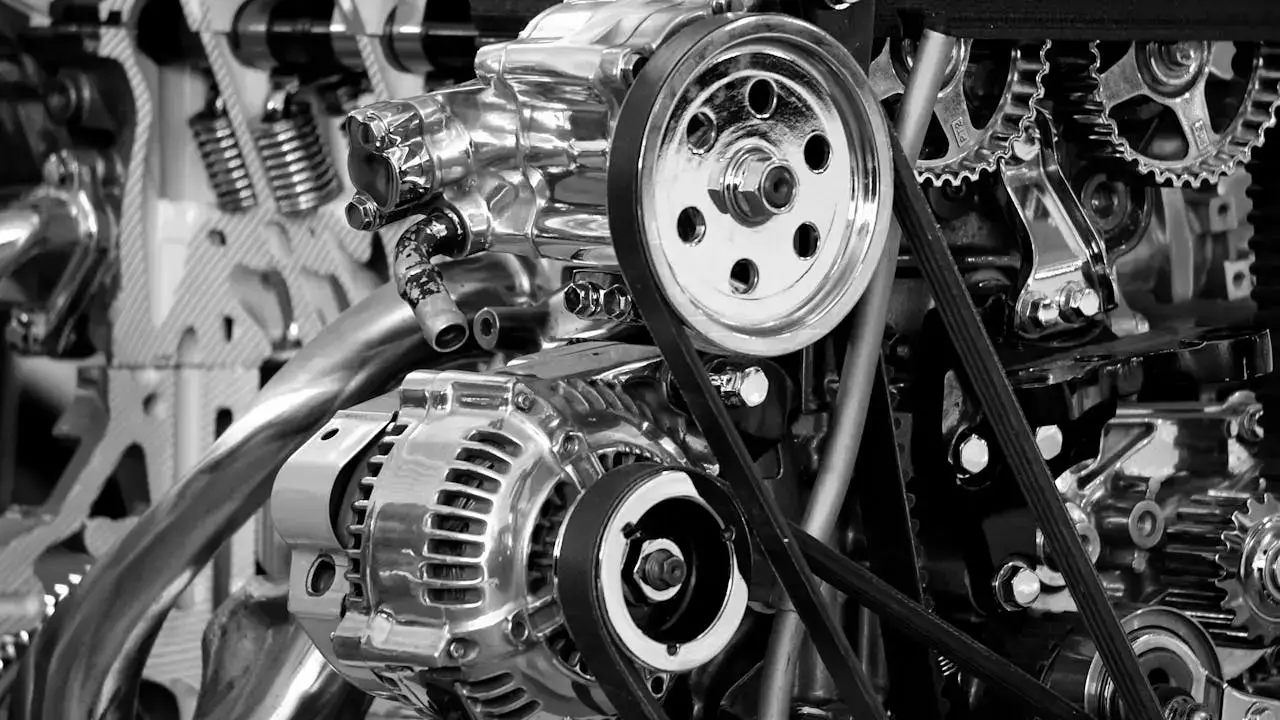
Most businesses that import auto parts from China will tell you the same thing. The first order is the hardest. After that, once you know the process and have a supplier you trust, it becomes one of the most reliable ways to keep costs down and maintain healthy margins. This guide breaks down the full process so you can approach it with confidence from day one. Whether you are buying for a workshop, a distribution business, or a wholesale operation, the steps are the same.
Why Businesses Import Auto Parts from China?
The answer is straightforward. China manufactures more automotive components than any other country in the world. That scale translates into pricing that most other markets cannot match.
Cost Benefits
Even after you factor in ocean freight, import duties, and local logistics, the numbers usually work in your favor. A brake caliper that costs $80 from a local distributor might cost $18 landed from a verified Chinese manufacturer. That gap matters when you are moving volume. It matters even more when your competitors are already buying from China, and you are not.
Wide Product Range
Engine parts. Suspension components. Electrical systems. Body panels. Filters. Lighting. The range of auto parts available from Chinese manufacturers covers virtually every vehicle system and most vehicle makes. For businesses managing multiple product lines, consolidating supply through one China-based partner reduces complexity significantly.
Direct Manufacturer Access
One of the real advantages of importing from China is that you can go straight to the source. Many Chinese factories sell directly to international buyers without requiring a local agent or distributor in between. That means fewer markups and more control over what you are actually buying.
Types of Auto Parts You Can Import from China:
Knowing what is available helps you plan your product range and identify which categories make the most sense for your business.
Engine & Performance Parts
This is one of the largest categories. Pistons, cylinder heads, timing belts, gaskets, oil filters, turbochargers — all widely available from Chinese factories across a broad range of vehicle applications. Quality varies by supplier, which is why verification matters, but the product availability is genuinely comprehensive.
Electrical & Body Parts
Alternators, starters, sensors, wiring harnesses, headlights, and taillights are among the most commonly imported electrical components. On the body side, bumpers, bonnets, doors, mirrors, and grilles are available for the most popular vehicle models. Lead times on body parts can vary more than other categories, so build that into your planning.
Suspension, Brakes & Accessories
Shock absorbers, control arms, ball joints, tie rods, brake pads, discs, and calipers are consistently high-demand items for importers serving the aftermarket. These are safety-critical components, so quality verification is non-negotiable. Always sample before you commit to volume.
How to Import Auto Parts from China — Step by Step:
The process is not complicated. But each step matters, and skipping any of them is where problems start.
Step 1 — Identify the Parts You Need
Write a proper product list before you contact anyone. Include part names, OEM numbers where possible, compatible vehicle makes and models, and your target order quantities. Suppliers who receive vague inquiries give vague quotes. The more specific you are upfront, the smoother the whole process becomes.
Step 2 — Find a Verified Supplier
B2B platforms like Alibaba, Global Sources, and Made-in-China.com are the standard starting points. Filter for verified suppliers with a solid transaction history and consistent buyer feedback. If you do not want to spend weeks evaluating suppliers yourself, working with an established export company that already has vetted manufacturer relationships is a faster and lower-risk alternative.
Step 3 — Request Samples
This step is not optional. Order samples of everything on your list before you commit to a commercial order. Check fitment, material quality, packaging and labeling. If a supplier pushes back on sample requests or charges unusually high sample fees, that tells you something. Move on.
Step 4 — Confirm Pricing & MOQ
Once samples are approved, get into the numbers. Standard payment terms are 30% deposit upfront, with the balance paid before shipment. MOQ varies widely — some parts have minimums of 50 units, others require 1,000 or more. For first orders, most suppliers will negotiate MOQ if you signal genuine long-term buying intent. Get everything confirmed in writing.
Step 5 — Handle Shipping & Customs
Know your shipping terms before you sign anything. FOB means costs are covered to the Chinese port. CIF adds shipping and insurance to your destination port. DDP covers full door-to-door delivery. Each has different cost and risk implications. Also, research your country’s import regulations for auto parts before the goods ship. Customs surprises on the receiving end are expensive and avoidable.
How to Find Reliable Auto Parts Suppliers in China?
Finding a supplier takes an afternoon. Finding a reliable one takes more care.
Use B2B Platforms
Gold-verified suppliers on Alibaba or Global Sources have passed a basic level of platform vetting. That is a starting point, not a guarantee. Look at how long they have been trading, what their response rate is, and what buyers are actually saying in reviews. Patterns matter more than individual reviews.
Work with an Export Company
If the verification process feels overwhelming or you simply do not have the time to manage it properly, a China-based export company removes that burden. They already have working relationships with manufacturers across multiple auto parts categories and handle the supplier side so you can focus on your business.
Common Mistakes When Importing Auto Parts:
Skipping Supplier Verification
This comes up every time. Businesses that skip due diligence on a supplier to save a few hours end up spending far more recovering from a bad order. Check business licenses. Ask for references. Verify export history. It is not bureaucracy — it is basic risk management.
Ignoring Import Regulations
Auto parts regulations vary by country and by part type. Safety components in particular often require certification or compliance testing before they can be legally sold or installed. Find out what applies in your market before you place an order. A shipment held at customs costs you money every day it sits there.
Choosing Price Over Quality
The cheapest quote rarely delivers the best outcome. This is especially true for brake systems, suspension components, and other safety-critical parts. A supplier cutting corners on materials will not tell you that upfront. Samples and supplier verification exist precisely to catch this before it becomes your problem.
How Yuena Helps You Import Auto Parts from China?
Yuena is a Guangzhou-based import and export company with direct access to verified Chinese auto parts manufacturers. Our product range covers engine components, electrical systems, suspension and brake parts, body panels, and accessories across a wide range of vehicle makes and models.
Working with Yuena means you do not have to navigate supplier platforms, manage verification processes, or handle export paperwork on your own. We manage the full supply process — manufacturer coordination, quality inspection, export documentation, customs clearance, and door-to-door delivery to your location.
One point of contact. No middlemen. Direct access to verified Chinese auto parts manufacturers.
Conclusion:
Importing auto parts from China is not complicated when you follow the right process. Identify your products clearly, verify your supplier properly, always sample before you commit, and understand your shipping and customs obligations before goods leave the factory. Do those four things, and most of the risk disappears.
If you want to skip the complexity and work directly with verified Chinese auto parts manufacturers, Yuena is ready to help.
Frequently Asked Questions:
How do I import auto parts from China?
Build a clear product list with specifications, find a verified supplier through B2B platforms or an export company, request samples before ordering, confirm pricing and MOQ in writing, then manage shipping and customs through a freight forwarder with automotive import experience.
What auto parts can I import from China?
Virtually every category — engine components, electrical systems, suspension and brake parts, body panels and accessories. Most parts are available for a wide range of vehicle makes and models at wholesale prices significantly lower than local alternatives.
How do I find reliable auto parts suppliers in China?
Check verified supplier listings on Alibaba or Global Sources, review transaction history and buyer feedback, verify business licenses and always sample before committing to volume. Working with a China-based export company like Yuena is a faster alternative if you prefer not to manage supplier vetting independently.
What is the minimum order quantity for auto parts from China?
MOQ varies significantly by part and supplier. Ranges typically start from 50 units for smaller components and can go much higher for larger or more complex parts. First-order MOQ is usually negotiable when you can demonstrate genuine buying intent.
How long does shipping take for auto parts from China?
Sea freight typically takes 20 to 45 days, depending on the destination. Air freight runs 5 to 10 days but costs considerably more. Express courier is available for samples and smaller shipments. Build lead time into your planning — especially for first orders where production scheduling is being established.


